
Why Aquaponic Farming & Gardening?
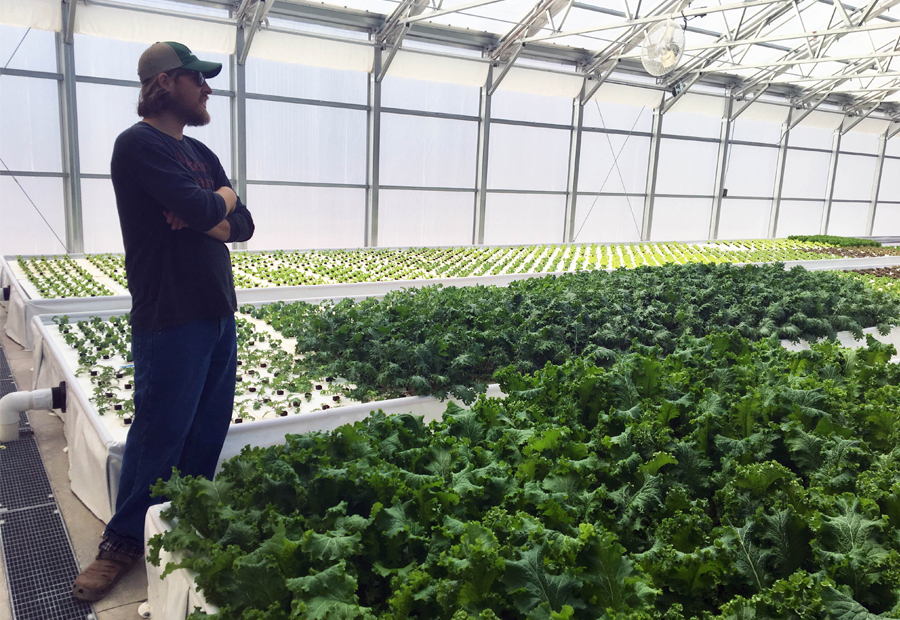
Home Gardens and Local Farms are the Future
An aquaponic farm can be located near consumers and can virtually eliminate unnecessary “food miles”. You can provide the freshest most nutritious food for your family and community. An aquaponic farm creates and generates…
- Significantly less water consumption than soil-based agriculture
- No harmful pesticides and fertilizers. This is a natural eco-system.
- Compost for soil replenishment
- Fodder for animals and livestock
- Sustainable farm raised fish
- A green business contributing to the well being of people and planet
- Local jobs, education, volunteer and therapeutic opportunities
The Current Food System
It wasn’t long ago that we either grew our own food or knew the farmer who grew it. However, in recent decades, small local farms have been virtually wiped out by an industrial and corporate controlled food system which has destroyed our natural resources, depleted our soils, sprayed toxic chemicals and has genetically modified our food in an effort to “feed the masses”.
It’s also well known that most of our food travels over 2,000 miles from its origin to our plate. A tremendous amount of packaging, processing, energy and carbon emissions goes into distributing food to consumers. By the time the food gets to us, even healthy vegetables and greens have lost much of their nutritional value. Conventional food distribution systems emit 5 to 17 times more CO2 than local and regional food production. If that wasn’t enough, commercial agriculture is the largest consumer of water worldwide.
“You never change things by fighting the existing reality. To change things, build a model that makes the existing model obsolete.”
– Buckminster Fuller
Who We Are
We are farmers, educators, and designers who have a passion for growing healthy food, conserving resources, and improving our planet for future generations. Our team is dedicated to providing high quality aquaponic systems, supplies, and training programs for residential, school, community, government, non-profit, and international applications.
School Aquaponics
Aquaponics in the classroom provides experiential education that will engage and inspire students of all ages.Farm Aquaponics
Our Flourish Aquaponic Farms are engineered to be highly productive, efficient to operate, resilient and beautifulLearn From The Experts
Education is the most important step when planning your own aquaponic garden or farm. The most successful gardeners have all taken the time to learn from others, share experiences, take chances and immerse themselves in learning.
Since 2009 JD and Tawnya Sawyer, owners of Colorado Aquaponics and the Aquaponic Source, have been researching, developing, building and operating aquaponic farms. Our focus has been on demonstrating aquaponics as a means for sustainable food production in our homes, schools, communities or as a profitable farm business.
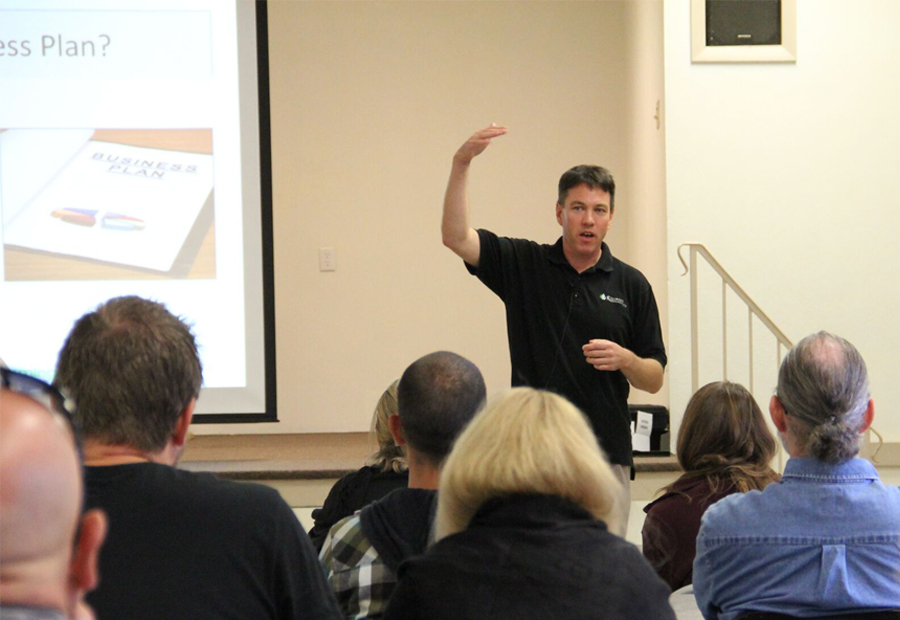
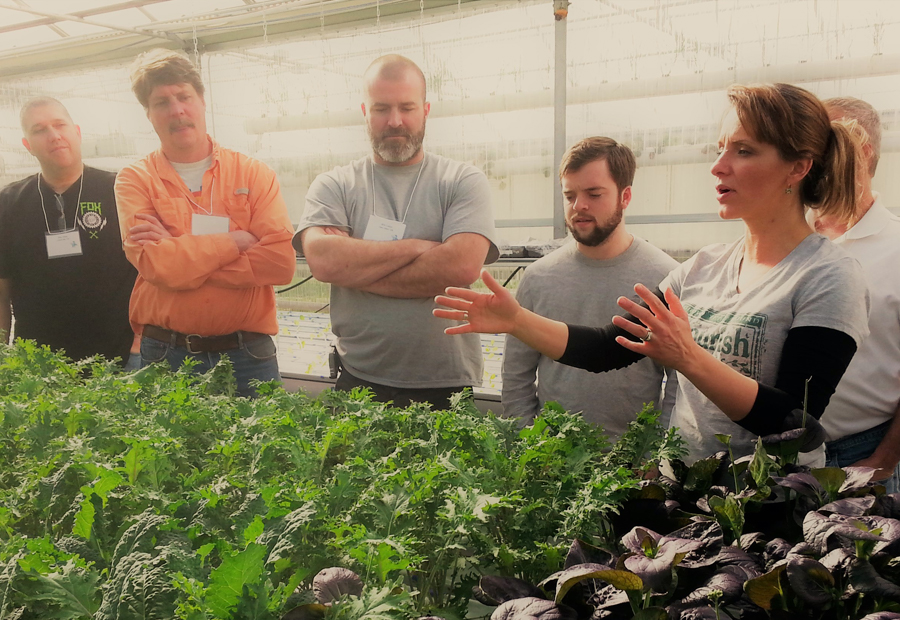
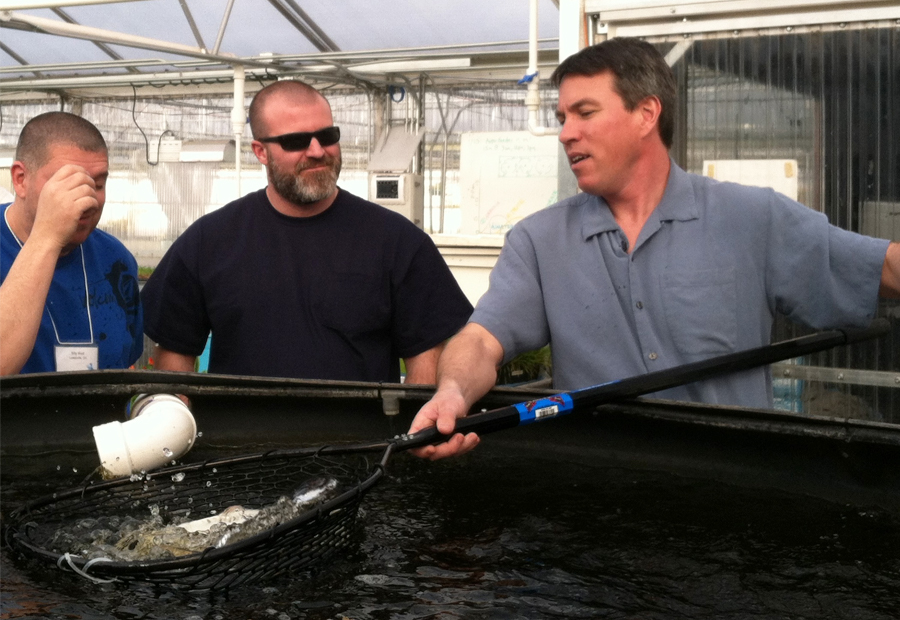
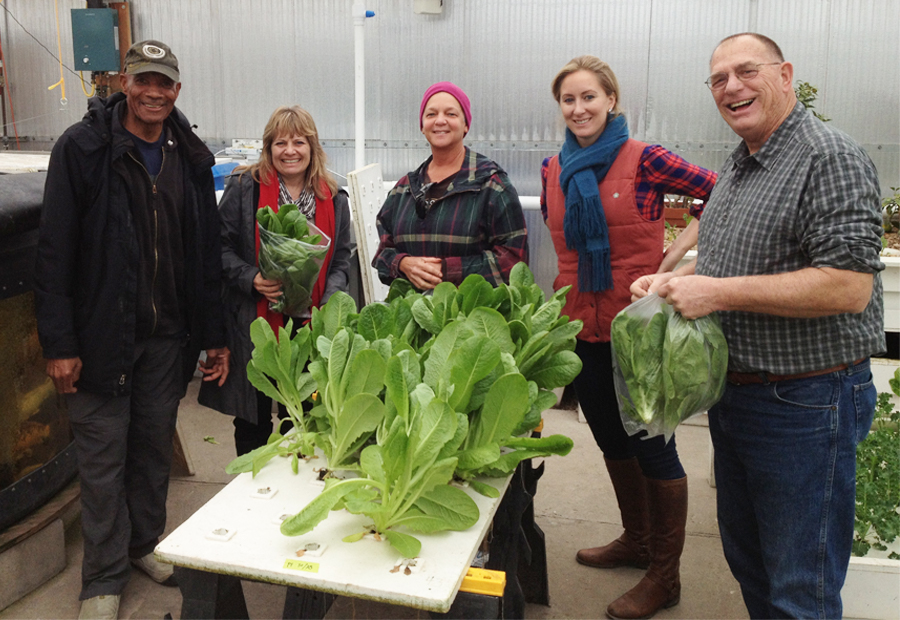
Our goal is to save you the time, money, and frustrating mistakes that we went through during our learning process. We have compiled years of research, data, experience, successes, and failures into our classes. We look forward to sharing it with you so you will have the best opportunity to succeed.
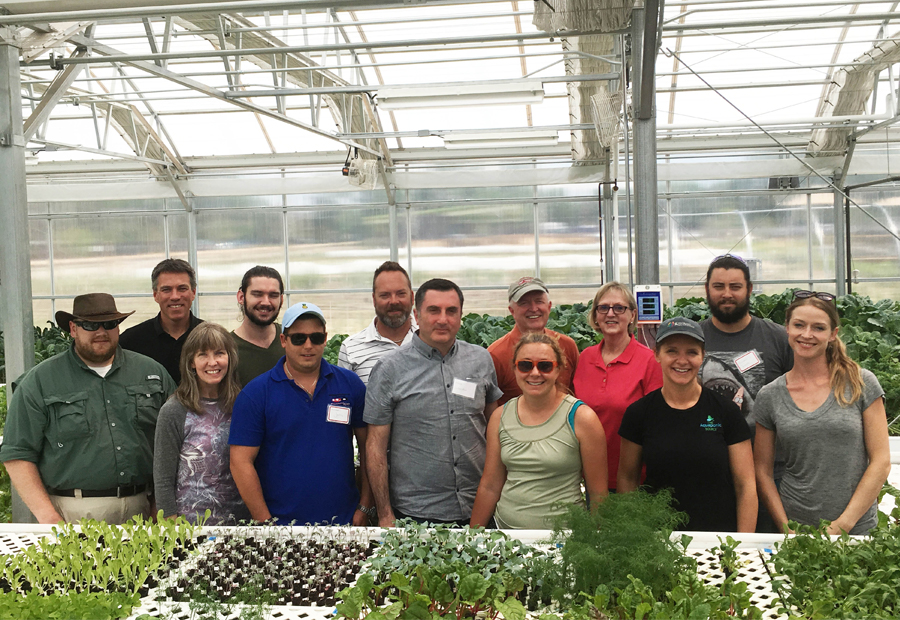
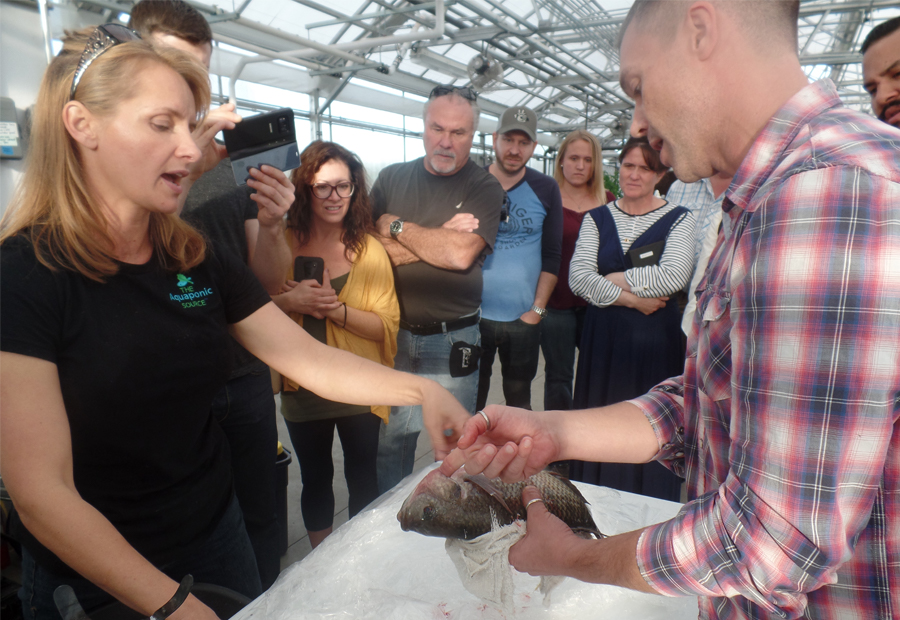
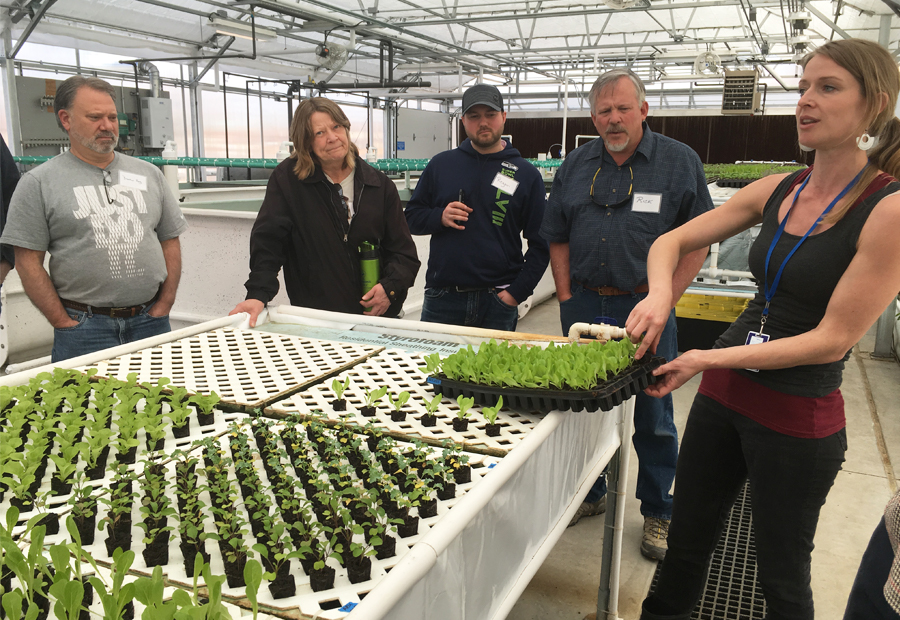
What our Customers are Saying
“I want to say thanks to you, JD, and Tawnya for all the help along the way.I wouldn’t be anywhere close to where I am without the discussions, class training at your facility and aquaponic tours. It is much appreciated and worth the investment in time. “
“You guys have thought of everything … I don’t want to have to figure all this stuff out. I just want it to work”
“What an exceptional class full of wonderful real knowledge and detailed information from A to Z in Aquaponics put together and presented by two people that are genuinely passionate and caring! Thank you Tawnya and JD for the wonderful experience!”
“Most thankful for the class for the transparency, not just for the success, but also for their failures. I believe that their transparency on their failures will help me to reach a state of production sooner. I believe that the realistic backing for the data and the numbers has been crucial for me to finish my business plan with realistic expectations. I cannot imagine attending a more valuable course than this one.”
“This course is very rich in information for fish, plants, and how to start your farm. I think I can avoid many stupid errors or mistakes so these three days have been very nice. I definitely recommend this class because it teaches the business approach to Aquaponics.”
“Thank you JD & Tawnya for a great week long aquaponics course! You guys both did a great job presenting solid helpful information and kept the class motivating and interesting. Looking forward to getting our first farm up and running after your in depth – detailed course curriculum.”